Find A Grade Nissan Leaf Battery for EVs, Fleet, and Storage
Explore 30 listings of a grade nissan leaf battery to compare voltage, capacity, and cycle life. This guide helps buyers evaluate NCM and NMC options for electric vehicles and power systems; compare the available evidence and request quotations based on your requirements.
Key considerations
Products List
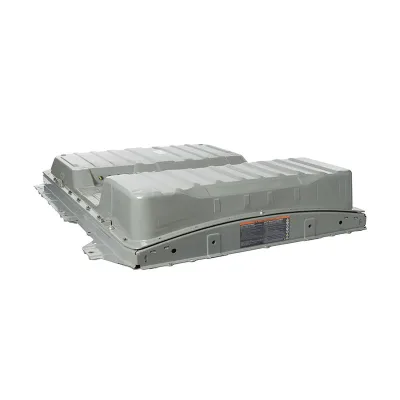
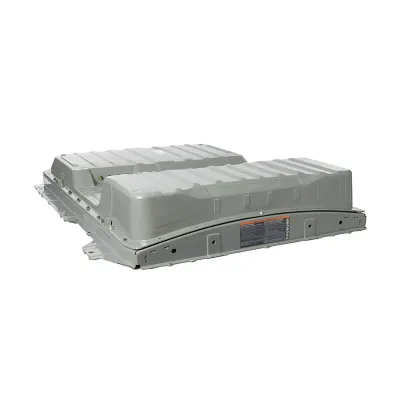
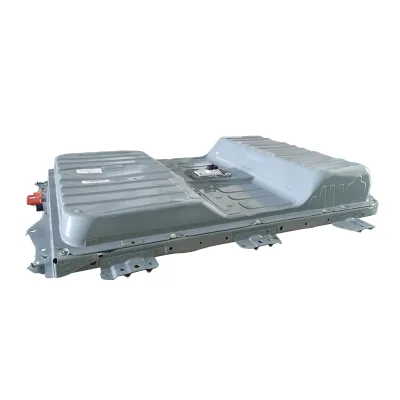
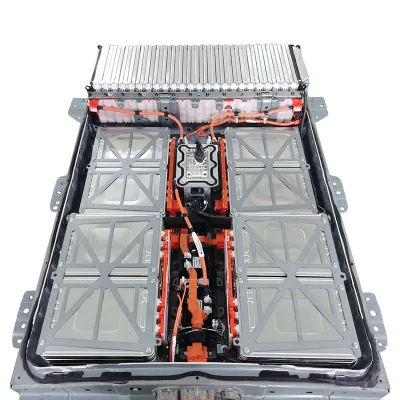
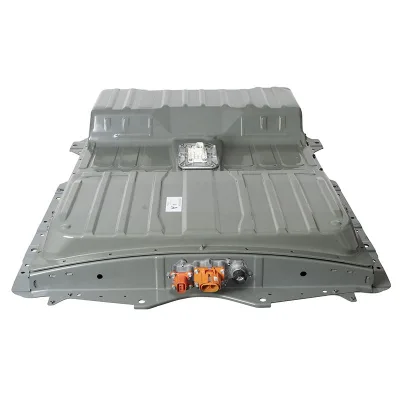
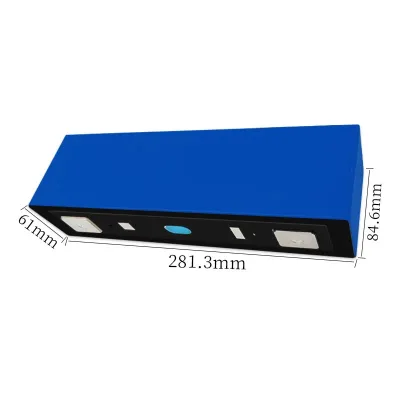
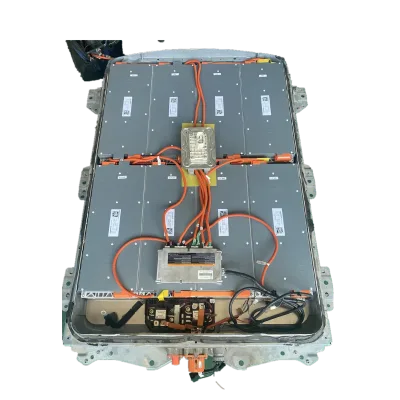
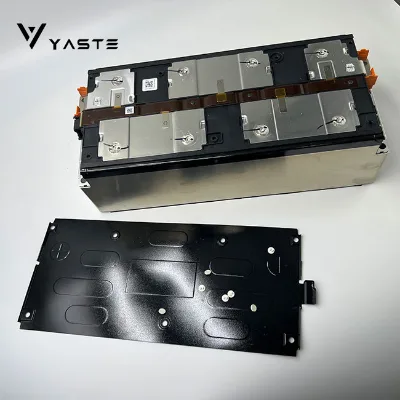




Comprehensive Sourcing Guide
A Grade Nissan Leaf Battery Sourcing Guide
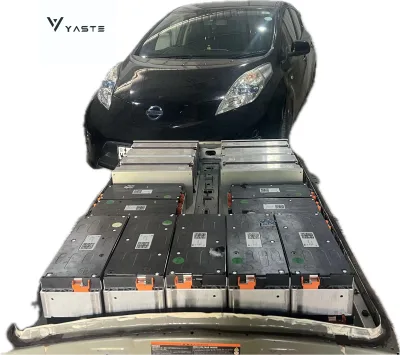
Procuring replacement battery packs for the Nissan Leaf requires a disciplined approach to technical verification and supplier qualification. The market offers various configurations, primarily centered around NCM (Nickel Cobalt Manganese) chemistry, which is standard for these legacy electric vehicle platforms. Buyers must distinguish between genuine OEM replacements and aftermarket solutions that may offer different performance characteristics or longevity. Understanding the specific model variants, such as those designed for the 24kWh or 40kWh battery capacities, is critical to ensuring compatibility with the vehicle’s onboard management system.
This guide focuses on the key decision points for sourcing high-grade cells and assembled packs. It emphasizes the importance of verifying nominal capacity, voltage thresholds, and physical dimensions against the original equipment specifications. By aligning technical requirements with commercial terms and quality assurance protocols, procurement teams can mitigate the risks associated with battery degradation, safety hazards, and supply chain disruptions. The following sections provide a structured framework for evaluating potential suppliers and products in this specialized niche.
Product Scope and Observed Listing Signals
The current market landscape for Nissan Leaf battery replacements includes a variety of product listings that signal different levels of maturity and specification. Observed data indicates a wide price range, reflecting differences in cell quality, assembly complexity, and included warranty terms. Listings often highlight specific model numbers, such as CNLEAF24K1 or CNLEAF40K1, which correspond to distinct battery capacities and vehicle generations. Buyers should carefully examine these identifiers to ensure the proposed solution matches the exact year and trim of the target vehicle, as mismatched components can lead to communication errors with the vehicle’s control unit.
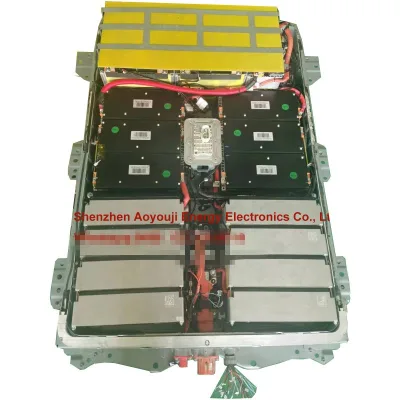
Physical attributes and packaging details provide additional signals regarding the product’s readiness for integration. Typical listings describe single package sizes around 170x120x35 cm with gross weights near 300 kg, indicating the substantial mass of the assembled pack. Some suppliers offer multiple capacity options, including 60Ah, 114Ah, 150Ah, and 180Ah variants, suggesting flexibility in retrofitting or upgrading older vehicles. However, buyers must verify that these capacity claims are backed by consistent cell grading and balanced module construction, as inconsistent performance across cells can compromise the entire pack’s reliability and safety profile.
Technical Specifications to Verify
Verifying core electrical parameters is the first step in ensuring battery compatibility and performance. Key specifications to confirm include the nominal voltage, which typically ranges around 355V for assembled packs, and the charging voltage, often specified near 398V or 403V depending on the configuration. The discharging cut-off voltage is another critical metric, usually set at 240V to protect the cells from deep discharge damage. Buyers should also check the nominal capacity, which varies significantly between models, and ensure that the continuous charging and discharging rates, such as 1C and 4C respectively, align with the vehicle’s power delivery requirements and thermal management capabilities.
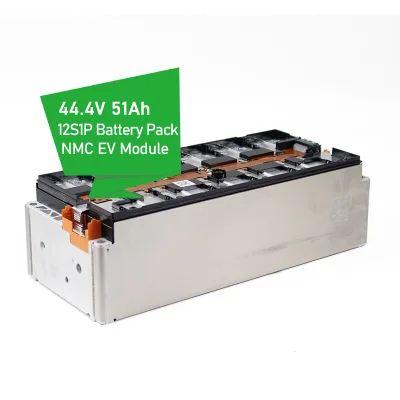
Physical and chemical attributes must also be rigorously validated to prevent integration issues. The battery type is predominantly NCM, with some listings specifying prismatic cell formats, which offer structural advantages in pack assembly. Cell voltage is generally noted as 3.7V, but the overall pack voltage is achieved through series and parallel configurations that must be precisely engineered. Additionally, the operating temperature range, often cited between 20-55°C for storage or 0-50°C for charging, defines the environmental limits within which the battery can safely function. Buyers should request detailed cell datasheets to confirm that the Grade-A NMC cells meet these thermal and electrical standards consistently across all modules.
Compliance and Safety Documentation
Safety and regulatory compliance are non-negotiable aspects of sourcing electric vehicle batteries. Buyers must ensure that suppliers provide comprehensive documentation demonstrating adherence to international safety standards, such as UN38.3 for transportation and IEC 62660 for performance testing. These certifications verify that the battery cells and assembled packs have undergone rigorous testing for shock, vibration, thermal abuse, and electrical safety. Without proper certification, the risk of fire, thermal runaway, or premature failure increases significantly, potentially voiding vehicle insurance or violating local regulations regarding electric vehicle modifications.
Beyond transportation and performance standards, buyers should inquire about the supplier’s quality management systems and traceability protocols. Documentation should include cell origin records, grading reports, and final assembly inspection results. This level of transparency allows procurement teams to assess the supplier’s commitment to consistency and defect prevention. Additionally, buyers should verify that the battery management system (BMS) included with the pack is compatible with the Nissan Leaf’s communication protocols, ensuring accurate state-of-charge reporting and cell balancing. Proper documentation not only ensures legal compliance but also provides a foundation for warranty claims and long-term support.
Cost Drivers and Commercial Terms
Understanding the factors that influence pricing is essential for effective budgeting and negotiation. The primary cost drivers include the grade of the NMC cells, the complexity of the pack assembly, and the inclusion of a compatible BMS. Higher-grade cells with consistent capacity and internal resistance commands a premium but offers better long-term value through extended cycle life and reduced degradation. Suppliers may also offer different MOQs, ranging from single units for testing to larger batches for fleet operations, which can impact per-unit pricing and shipping logistics. Buyers should evaluate the total cost of ownership, including potential savings from improved efficiency and reduced maintenance, rather than focusing solely on the initial purchase price.
Commercial terms such as warranty coverage, lead times, and payment conditions play a crucial role in the procurement process. A robust warranty should cover both cell performance and pack integrity, providing protection against premature failure. Lead times can vary based on production capacity and inventory levels, so buyers should establish clear expectations for delivery schedules to avoid project delays. Payment terms, including deposits and balance payments upon shipment, should be negotiated to balance risk between buyer and supplier. Additionally, buyers should clarify responsibilities for shipping and insurance, given the hazardous nature of lithium-ion batteries, to ensure that costs and liabilities are clearly defined.
Supplier Qualification and Quality Control
Evaluating supplier capabilities is critical to ensuring a reliable supply of high-quality battery packs. Buyers should assess the supplier’s manufacturing facilities, focusing on their quality control processes, testing equipment, and production capacity. Suppliers with dedicated R&D teams and experience in EV battery assembly are more likely to deliver products that meet stringent technical requirements. It is also important to verify the supplier’s track record in the market, including customer references and case studies, to gauge their reliability and customer service responsiveness. A supplier’s ability to provide technical support and troubleshooting assistance is equally valuable, especially for complex retrofit projects.
Quality control measures should extend from raw material sourcing to final product delivery. Buyers should request information on the supplier’s incoming inspection protocols for cells, including checks for capacity, voltage, and internal resistance consistency. In-process quality checks during module and pack assembly, such as weld integrity tests and electrical performance verification, are essential for identifying defects early. Final inspection reports, including functional tests and safety checks, should be provided for each batch. Additionally, buyers should consider implementing third-party inspections or audits to independently verify the supplier’s quality management systems and production practices, ensuring that the delivered products meet the agreed-upon specifications.
Long-Term Procurement Checks
Establishing a framework for long-term monitoring and evaluation is vital for sustaining the performance and reliability of procured battery packs. Buyers should implement regular performance audits, tracking metrics such as capacity retention, internal resistance growth, and thermal behavior over time. These data points provide insights into the battery’s degradation pattern and help identify any systemic issues with specific batches or suppliers. Maintaining open communication with the supplier for feedback and issue resolution is also crucial, as it fosters a collaborative relationship that can lead to continuous improvement and better product support.
Supply chain resilience and adaptability should be regularly assessed to mitigate risks associated with market fluctuations or geopolitical factors. Buyers should diversify their supplier base where possible, ensuring that alternative sources are available in case of disruptions. Additionally, staying informed about advancements in battery technology and regulatory changes allows procurement teams to make proactive adjustments to their sourcing strategies. By integrating long-term performance data with market intelligence, buyers can optimize their procurement decisions, ensuring that they continue to receive high-quality, cost-effective solutions that meet the evolving needs of their electric vehicle fleet.
FAQs
What is the nominal capacity of the CHUNENG Nissan Leaf battery?
The CHUNENG Nissan Leaf battery offers multiple nominal capacity options including 66Ah, 114Ah, 150Ah, 180Ah, and 60Ah depending on the specific model selected. These capacities are designed to match various Nissan Leaf requirements while ensuring reliable power delivery for electric vehicle applications.
Which battery type is used in the CNLEAF24K1 model?
The CNLEAF24K1 model utilizes NCM prismatic battery cells with a nominal voltage of 355V and a cycle life of 2000 times. This configuration ensures high energy density and durability, making it suitable for long-term use in electric vehicles like the Nissan Leaf.
Can the battery operate within a specific temperature range?
Yes, the battery operates effectively within a temperature range of 20 to 55 degrees Celsius during normal use. Charging is supported between 0 and 50 degrees Celsius, ensuring safe performance across various environmental conditions while maintaining optimal battery health and longevity.
What is the maximum continuous discharging rate for this pack?
The maximum continuous discharging rate for this battery pack is 4C, allowing for high power output when needed. This capability supports demanding driving conditions and rapid acceleration, ensuring the vehicle maintains performance levels consistent with the original Nissan Leaf specifications.
How much does a single package of the battery weigh?
A single package of the battery weighs approximately 294 kilograms with a gross weight of 300 kilograms. The dimensions are roughly 170 by 120 by 35 centimeters, requiring careful handling and specific logistics planning for shipping from the Guangdong, China origin location.
What is the minimum order quantity for purchasing this battery?
The minimum order quantity for purchasing this battery is one single item, allowing buyers to start with a small order. This flexible MOQ policy enables testing and initial procurement without requiring large bulk commitments, making it accessible for various business sizes.
Which model number corresponds to the 40kWh capacity version?
The model number CNLEAF40K1 corresponds to the 40kWh capacity version of the Nissan Leaf battery. This specific model is designed to provide extended range and power, featuring a 114Ah capacity and compatible with the standard Nissan Leaf electric vehicle platform.